

Rising transport fares reshape work, strain families
Abuja, March 2026 (TBL Africa) Rising transport fares in the Federal Capital Territory (FCT), are forcing commuters to adjust work patterns while placing increasing strain on households incomes.
The residents said this in an interview on Sunday in Abuja.
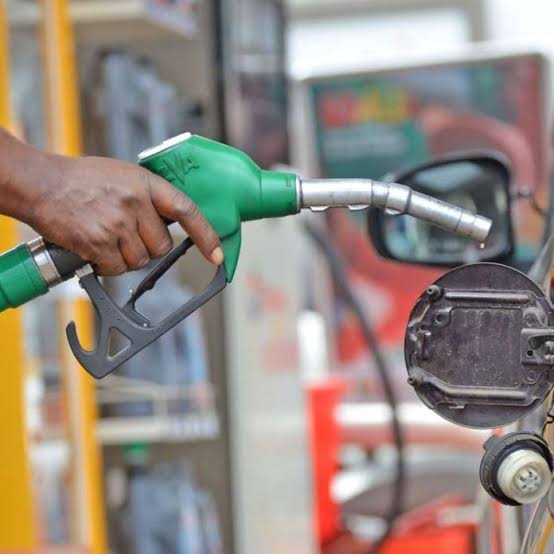
Many fuel stations used to sell fuel between N875 and N880 but now sell between N1,335 and N1, 400.
The increase in the pump price of petrol followed the escalating war between the U.S. and Iran which has lasted for some weeks.
The increase has continued to generate widespread concern among Nigerians, as its effects cut across all sectors of the economy.
According to the residents, the increase in transport fares driven by high fuel prices, is affecting productivity, businesses and family welfare.
Mr Abdul Daniel, a civil servant, said: “I now pay about N1,700 from Dei-Dei to Federal Secretariat, up from N1,000 or N1,200 which we formerly paid.
” Meanwhile, I have noticed that the fares are usually high during peak periods, so I now leave home earlier to avoid peak fares and maintain punctuality at work.
“The way things are going, if care is not taken, I may be forced to cut down on the number of days I go to work in a week “.
Ms Ugochi Ugochukwu, a trader, said fares from Masalachi Junction, Karu, to Finance Bridge had risen from N500 to between N600 and N800.
She said the increase had forced her to cut down on non-essential trips to avoid spending more on just transportation.
Another civil servant, Mr Sony Ugwuata, said that fares from his home in Masaka to his office in Wuse, now ranged between N1,000 and N1,200 during peak hours.
“Off-peak fares, previously N500, now hover around N700, further squeezing commuters’ budgets.
Ms Chidimma Chukwu, who resides in Lokogoma, said she used to spend about N2, 200 to and from work every now but now spends about N3, 200.
Chukwu said:” this increment, although it may seem small, but it is eating deep into other household monthly expenses.
“The worst part of all these is that, our monthly salaries are not being reviewed or increased and nobody is saying anything about it.”
A nurse, Mr Kingsley Jato, lamented that transport fares from lugbe to Area 10, which used to be N700 had increased to between N1,000 and N1,200.
” I have been saving up for awhile now to enable me buy a big Television for my sitting room, so I can comfortably watch football matches at home with my siblings.
” With this recent development, I am beginning to doubt if I can meet up and achieve my goal. The financial pressure keeps mounting, yet solution seems far,” he said .
A resident, Mrs Chimerica Onyema, said she now planed her movements carefully and combined trips to reduce fuel expenses.
She said the fuel increase had forced many workers to rethink commuting habits and many with cars were now forced to carry passengers to augment fuel cost.
Mrs Erica Ekah, a civil servant, said before the fuel increase, she carried passengers from Galadimawa to Secretariat at N700 but had to increase the fare to ₦1,000.
” This morning , I bought fuel at N1, 400 per liter and this made me increase the fare for the passengers to N1, 000 and the passengers paid because they had no choice.
” This rising cost of fuel is making it difficult for Nigerians to balance transportation and other household expenses.
” It is imperative for the government to look into this as a matter of urgency as the situation is no longer convenient for many families,” she said.
A trader in Apo market, Mr Ifeanyi Azubike, said rising fares had reduced customers turnout, affecting daily sales and incomes .
Azubike said that although prices of major household items had not increased much, there was a high probability that they would begin to increase drastically due to high transport fares.
He urged government intervention to ease the burden on commuters and ensure affordable transportation within the city.
An economic expert, Mr Chimezie Okorobia, reiterated the need for immediate government intervention to ameliorate the strain on households.
He urged the government at all levels to ensure policies and programmes targeted at easing the transportation burden on citizens.
