

Power Minister targets renewable energy to transform Agriculture, reduce post-harvest losses
The Federal Government has unveiled a new strategy to use renewable energy to transform agriculture, improve food security and reduce post-harvest losses across Nigeria.
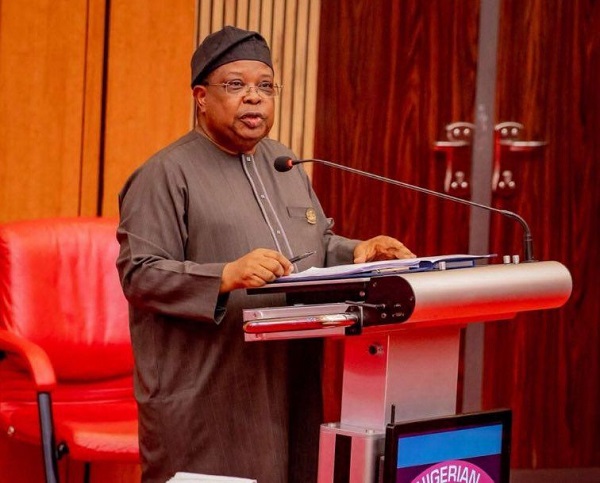
Minister of Power, Mr Joseph Tegbe announced the initiative on Wednesday at the National Stakeholders’ Engagement Workshop on the Productive Use of Energy (PUE) in Abuja.
He said the Federal Government is repositioning rural electrification beyond providing electricity for households to supporting agriculture, businesses and economic growth.
According to Tegbe, the Tinubu administration’s energy diversification agenda is focused on ensuring that access to electricity creates opportunities, drives productivity and improves livelihoods.
“Rural electrification is no longer just about extending electricity to communities. It is about creating opportunities, promoting prosperity and supporting enterprise,” he said.
The minister commended the Rural Electrification Agency (REA) for organising the workshop, describing it as an important platform for advancing rural economic development.
He noted that the success of the power sector should not only be measured by electricity generation or the number of communities connected to the grid but by its impact on people’s lives and economic activities.
Tegbe said reliable electricity should enable farmers to irrigate more land, power rice mills, operate cold storage facilities, reduce post-harvest losses and support agro-processing businesses.
“Electricity becomes truly transformational when it powers productivity,” he said.
He described the Productive Use of Energy initiative as a key driver of agriculture, industrialisation, job creation, financial inclusion and climate resilience.
The minister expressed concern over the high level of food losses caused by inadequate cold storage, limited processing facilities and the high cost of energy-intensive equipment.
He said the adoption of renewable energy technologies would lower production costs, increase agricultural productivity, improve farmers’ incomes and create new opportunities for investors, equipment manufacturers and technology providers.
Tegbe urged policymakers, financial institutions, regulators, manufacturers, farmers and development partners to collaborate on practical solutions that will accelerate the deployment of renewable energy across Nigeria’s agricultural value chain.
He expressed confidence that the workshop would help shape new policies, attract investment and position Nigeria as a leading African market for the productive use of renewable energy in agriculture.
“The future of Nigeria’s energy transition depends on strong partnerships working towards a common goal,” he said.
Tegbe added that the government’s objective is to ensure that every kilowatt of electricity supplied to rural communities contributes to economic growth, improved livelihoods and national food security.
