

Mini-grids commercially viable, attractive to investors — REA MD
The Managing Director of the Rural Electrification Agency (REA), Dr. Abba Aliyu, says mini-grids have evolved beyond rural electrification projects and are now a commercially viable model for electricity supply capable of attracting private investment and reducing risks in Nigeria’s power sector.
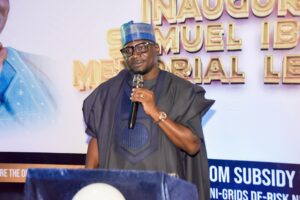
Dr. Aliyu made this known while delivering the keynote address at the inaugural Samuel Ibiyemi Memorial Lecture in Lagos.
Speaking on the theme, “From Subsidy to Solvency: Can Mini-Grids De-risk Nigeria’s Power Sector?”, he said Nigeria’s electricity sector needs to shift from subsidising inefficiencies to creating an investment-friendly market that attracts private capital.
According to him, mini-grids should no longer be seen only as solutions for rural communities.
“Mini-grids are built around verified demand, use digital revenue collection systems, minimise losses, and provide investors with more predictable cash flows. This makes them a commercially viable model that reduces investment risks,” he said.
Dr. Aliyu noted that Nigeria’s electricity challenge is not only about inadequate infrastructure but also about financing. He said with distribution companies facing high technical losses and businesses spending an estimated $14 billion annually on self-generation, there is an urgent need to build a power market that investors can trust.
“The future of public financing should be to de-risk investments, not subsidise inefficiency. Public funds should be used to attract private capital, not replace it,” he said.
Highlighting the agency’s achievements, Dr. Aliyu said the REA has deployed nearly 200 isolated mini-grids and delivered more than 164,000 mini-grid connections across the country. He added that about 1.4 million households and businesses have also been connected through stand-alone solar systems, attracting over $1.2 billion in private sector investment commitments.
He further disclosed that the REA is partnering with electricity Distribution Companies (DisCos) to develop 48 interconnected mini-grids in urban and peri-urban communities. The project is expected to add about 288 megawatts of clean energy generation and battery storage to existing distribution networks.
According to him, the initiative shows that decentralised energy complements, rather than competes with, the national grid.
“The goal is to create an electricity market that gradually requires less government support by encouraging sustainable private investment,” he said.
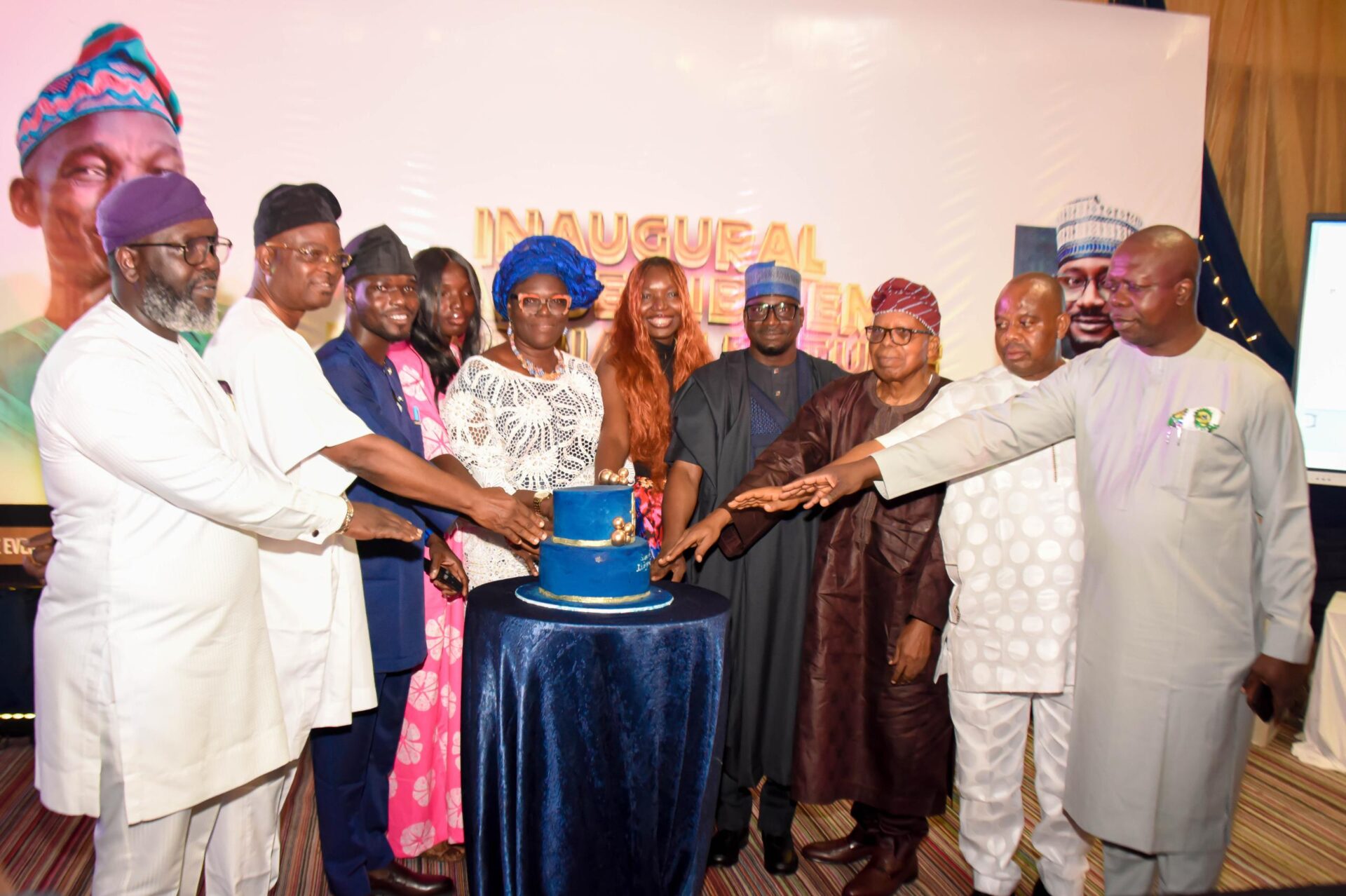
In her welcome address, the Managing Director of NewsDirect TV, Miss Shindara Ibiyemi, thanked guests, family members, and friends for gathering to honour the memory of her late father, Prince (Dr.) Samuel Ibiyemi, three years after his passing.
She described her father’s mentorship as instrumental to her personal and professional development, saying he inspired everyone around him to become better.
“He never left anyone he met the same. Under his guidance, you became a better version of yourself,” she said.
Miss Ibiyemi noted that the lecture’s focus on the energy sector reflected her father’s passion for reporting on the industry during his distinguished journalism career.
The event also featured the official launch of the Samuel Folorunsho Ibiyemi Foundation, established to continue the late editor’s legacy of generosity and support for others.
