

Ex-Minister calls for regulatory certainty, clean energy financing to unlock Nigeria’s energy investments
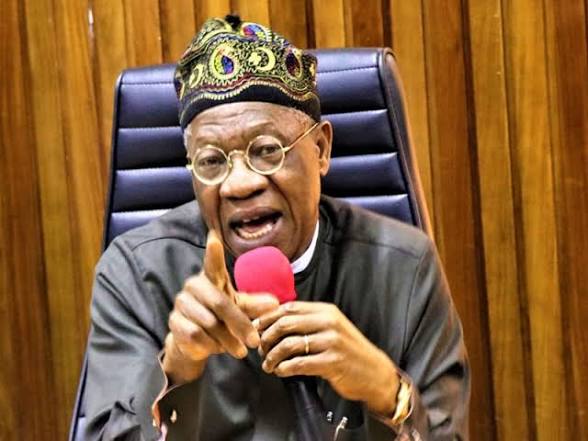
Former Minister of Information and Culture, Alhaji Lai Mohammed, has called for regulatory certainty, transparent policies and competitive fiscal incentives to attract the level of investment needed to transform Nigeria’s energy sector.
Mohammed, who is Chairman of Portland Gas Limited, made the call while delivering the keynote address at the Oriental News Nigeria 2026 Conference in Lagos on Thursday. The conference was themed: “Carbon Capture: Accelerating Decarbonisation Initiatives in Nigeria’s Extractive Industry Through Broad Regulatory Reforms.”
He said clear regulations and investor-friendly policies are essential to unlocking billions of dollars in capital needed to expand gas utilisation, drive economic growth and strengthen Nigeria’s position in the global energy market.
Mohammed noted that decarbonisation is no longer a long-term goal but an immediate priority. He identified carbon capture, cleaner fuels and regulatory reforms as key to achieving Nigeria’s energy transition objectives.
According to him, infrastructure alone will not help Nigeria meet its climate goals and global net-zero commitments. He stressed that sustainable financing, sound investment strategies, operational efficiency and strong climate governance are equally important.
He also identified financing as one of the biggest challenges facing clean energy development in Africa.
“We therefore need innovative financing models, blended finance, green bonds, carbon markets and long-term investment frameworks that reduce project risks and encourage greater private sector participation,” he said.
Speaking at the conference, Group Managing Director of Sahara Group, Engr. Kola Adeshina, described the conference theme as timely.
He said carbon capture should neither be viewed as a cure-all nor dismissed as an unrealistic concept. According to him, it is one of the practical solutions that can help Nigeria reduce emissions while sustaining industrial and energy development.
Adeshina said Nigeria has favourable geological conditions for carbon capture, but stressed that the industry’s success depends on investor confidence.
He said confidence must be built through clear regulations, reliable data, viable economics and the ability of operators to manage projects safely and transparently.
He urged stakeholders to move beyond policy discussions to practical implementation.
> “We must move from policies to projects, from communication to capital, and from ambition to measurable action. Nigeria’s decarbonisation pathway should reduce emissions while expanding energy access, supporting industrial growth, protecting jobs and attracting investment,” he said.
Adeshina also stressed that carbon capture cannot succeed through technology alone. He called for clear regulations defining carbon ownership, storage rights, permitting processes, monitoring systems, liability and investment incentives.
He added that government support and enabling legislation are necessary to attract investment and make carbon capture commercially viable.
Earlier, Publisher of Oriental News Nigeria Online, Mrs. Yemisi Izuora, said the conference was organised to encourage discussions on balancing economic development with environmental sustainability.
She noted that while the extractive industry remains vital to Nigeria’s economy, its activities also have environmental consequences.
“A well-protected environment promotes good health and provides greater opportunities to sustainably utilise our natural resources,” she said.
Also speaking, Associate Professor of Management Communication at Lagos Business School, Prof. Silk Ogbu, said Nigeria is at a critical stage in its decarbonisation journey and must actively shape emerging climate policies.
He noted that climate action has moved beyond advocacy, with the National Assembly and regulators already developing relevant laws and policy frameworks.
> “Nigeria has committed to achieving net-zero emissions by 2060. The reforms are coming, but the question is whether we will shape them or be shaped by them,” he said.
On climate finance, Ogbu said funding remains a major challenge because environmental damage has historically not been properly valued.
> “Saving the climate is expensive. Green ambition without green money is only a lovely idea. Those achieving results are deliberate and strategic about their investments,” he said.
He added that climate change is already affecting lives and businesses, making it necessary for Nigeria to adopt measurable and results-driven environmental policies.
Representing the Managing Director of the Rural Electrification Agency (REA), Mallam Abba Aliyu, Executive Director of Corporate Services, Gboyega Ayoade, said Nigeria’s decarbonisation strategy must go beyond reducing emissions to include economic growth, energy security and industrial development.
Speaking on “Driving Nigeria’s Decarbonisation Through Strategic Promotion of Clean Energy – The REA Experience,” Ayoade said decarbonisation should be viewed as a national development strategy.
> “For Nigeria, decarbonisation cannot be reduced to a conversation about emissions alone. It must also focus on competitiveness, industrial renewal, energy security, climate resilience, financing, technology and inclusive growth,” he said.
He stressed that achieving these goals requires coordinated reforms across the energy, finance, environmental and industrial sectors.
According to him, regulation must encourage innovation while protecting consumers and ensuring market stability.
He called for clear and coordinated regulations covering emissions management, carbon capture, gas flaring reduction, clean energy adoption, environmental reporting and sustainable finance, as well as continued reforms in power sector regulations on mini-grids, embedded generation, energy storage and distributed energy resources.
Ayoade also outlined the responsibilities of key stakeholders, saying government must provide policy direction, regulators must build investor confidence, the private sector must invest, financial institutions must develop innovative financing solutions, development partners must help reduce investment risks, and the media must continue promoting informed public dialogue.
He commended Oriental News Nigeria for organising the conference, describing the media as an important partner in shaping conversations that will influence Nigeria’s energy and climate future.
