

Rural Electrification Key to Industrialisation and Security – Minister, Monarch
The Minister of Power, Mr. Joseph Tegbe, and the traditional ruler of Odogbawojo in Epe, Lagos State, Oba Adelani Adeniyi, have said that rural electrification is essential for Nigeria’s industrialisation, job creation, and improved security.
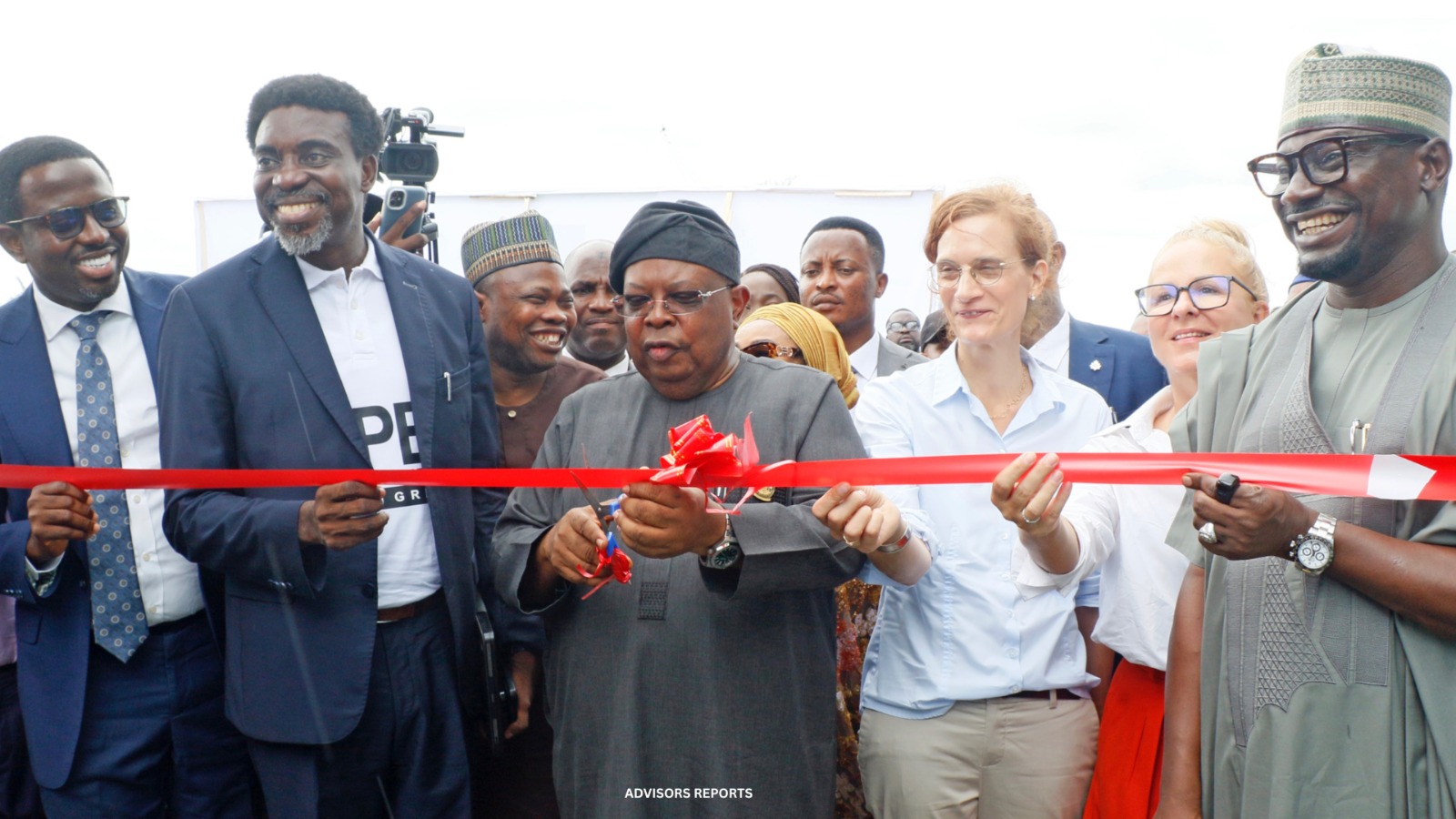
They spoke on Wednesday during the inauguration of the Federal Government’s 505-kilowatt peak (kWp) solar power plant in Eredo, Epe, Lagos State.
The project, known as the Interconnected Mini-Grid Acceleration Scheme (IMAS), is designed to improve electricity supply in the area. It is expected to provide power to about 8,000 residents across five communities: Odogbawojo, Odoshiwolala, Odoayan, Ora, and Ibowon.
Speaking at the event, Tegbe described rural electrification as a critical investment that drives economic and social development. He urged residents to protect the facility from vandalism and take ownership of the project to ensure its sustainability.
According to him, the solar mini-grid project represents another important step toward achieving universal electricity access, energy security, and sustainable development in Nigeria.
He said the project would support economic growth by encouraging the establishment of cottage industries and strengthening small and medium-sized enterprises (SMEs).
Tegbe commended the Rural Electrification Agency (REA), led by Dr. Abba Aliyu, for expanding access to electricity across the country through mini-grid and solar energy projects.
He noted that more than 1,000 mini-grid projects are currently under development nationwide, while nearly 3.9 million Nigerians have benefited from solar home systems under the World Bank-supported Distributed Access through Renewable Energy Scale-up (DARES) programme.
The minister added that the Eredo solar project would provide cleaner, more reliable, and affordable electricity to homes, businesses, schools, healthcare facilities, and other users in the community.
Oba Adeniyi said stable electricity would encourage residents to develop local industries and add value to their products, leading to higher incomes.
He noted that Epe, known for its fishing activities, would benefit from improved fish processing and storage through reliable power supply.
The monarch also said better street lighting would enhance security, while increased business activities would create jobs and reduce youth unemployment.
Meanwhile, the Managing Director of the Rural Electrification Agency, Mr. Abba Abubakar-Aliyu, said the project demonstrates the impact of strong partnerships, innovative financing, and community involvement in expanding electricity access.
He explained that the IMAS programme, supported by the European Union and the Government of Germany, is helping to improve electricity reliability, stimulate local economies, and enhance the quality of life in communities.
Abubakar-Aliyu said the agency aims to expand power generation capacity significantly over the next five years to meet growing industrial and economic demands.
He stressed the need for continued collaboration among stakeholders to ensure that reliable electricity reaches every productive community, business, and citizen across Nigeria.
