

Qatar, Saudi Arabia Poach Nigeria’s Oil experts, PETAN raises alarm

The Petroleum Technology Association of Nigeria (PETAN) has raised the alarm over the growing brain drain in the oil and gas industry, warning that Qatar, Saudi Arabia and other oil-producing countries are recruiting Nigeria’s experienced professionals.
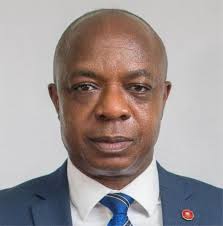
PETAN Chairman, Mr Wole Ogunsanya, raised the concern at a media roundtable in Lagos, where he called for aggressive manpower development and increased investment in equipment to support Nigeria’s oil production targets.
Ogunsanya, in a presentation titled “The State of Nigeria’s Oil and Gas Industry: Opportunities and Challenges,” said the recruitment of experienced Nigerian professionals by foreign countries was creating a significant skills gap in the domestic industry.
“The best of our experienced Nigerians in the oil and gas industry are being recruited by Qatar, Saudi and others for their industry. This poaching is creating a huge gap that needs to be filled,” he said.
He attributed the challenge partly to the divestment of international oil companies (IOCs) from onshore assets, noting that the multinationals had trained many of Nigeria’s leading oil and gas professionals over the years.
“If you do a head count of top fliers in the industry, in every 10, about eight of them were once trained by the IOCs. Now that the multinationals are divesting, who takes charge?” he queried.
The PETAN chairman urged indigenous companies acquiring the divested assets to establish comprehensive training programmes to develop the next generation of oil and gas professionals.
He said Nigeria had sufficient young graduates to fill the gap but stressed the need to attract them into the industry through deliberate training and capacity-building initiatives.
“The issue is not that we don’t have young graduates that can be in the oil and gas industry. The issue is how do we get these young graduates to come into the industry,” he said.
Ogunsanya challenged companies taking over divested assets to demonstrate their commitment to developing local talent through structured training programmes.
On equipment requirements, he estimated that about six billion dollars would be needed to support increased production and meet Nigeria’s target of three million barrels daily.
He said adequate funding, modern equipment and local capacity development were essential to achieving the production target.
Despite the challenges, Ogunsanya expressed confidence in the capacity of indigenous oil and gas service companies, saying local players had developed expertise across the industry’s service value chain.
“We are providing services that are cheaper and of high quality,” he said.
He also commended the Nigerian Content Development and Monitoring Board (NCDMB) for supporting local capacity through its one per cent levy for equipment acquisition.
Ogunsanya cited the WalterSmith modular refinery as an example of the benefits of local content interventions in developing indigenous capacity.
He warned that without a deliberate, industry-wide training programme, Nigeria could struggle to sustain its oil production ambitions as experienced professionals continue to leave for opportunities abroad.
