

Nigeria bleeds ₦3.2 Trillion yearly to transport inefficiencies — Musa
…Says Integrated Transport System Could Slash Travel Time by 40%
Nigeria loses an estimated ₦3.2 trillion annually as a result of persistent inefficiencies in its transport sector, Chairman and Chief Consultant of Global Transport Policy (GTP), Dr. Oluwasegun Musa, has revealed.
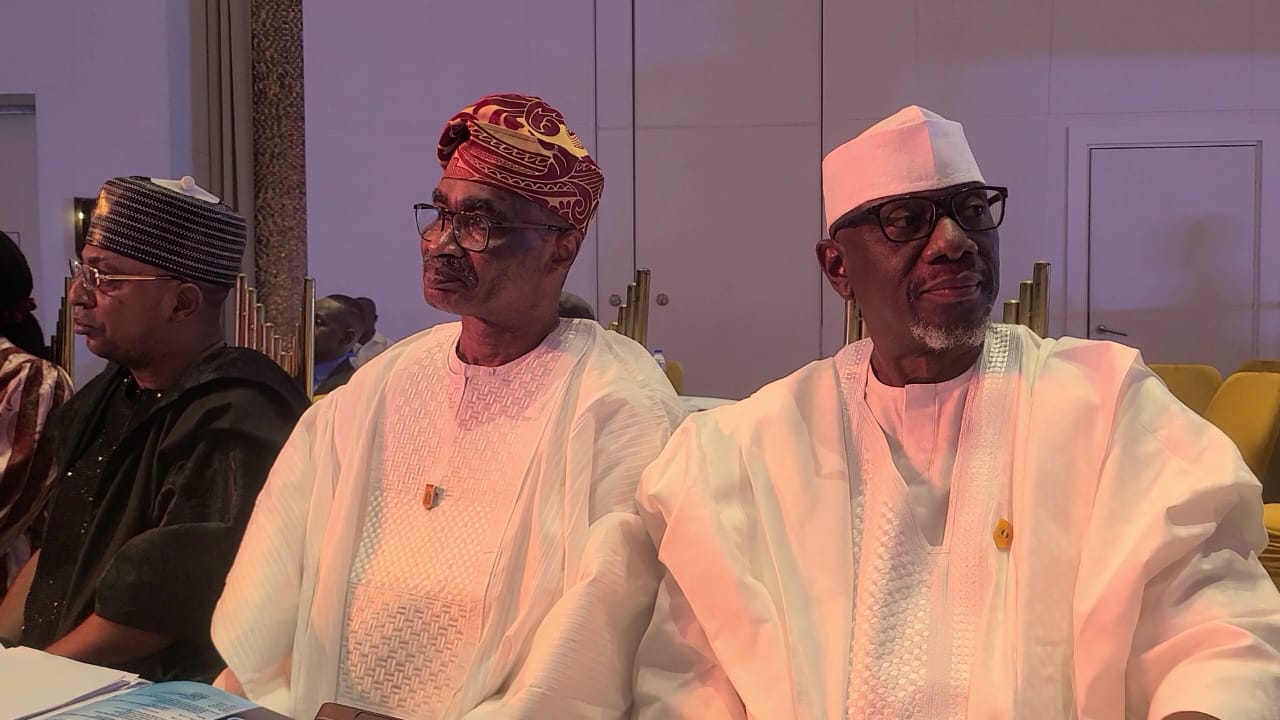
Speaking at the 2026 GTP Multimodal Roundtable, Musa said chronic traffic congestion, poor integration among transport modes, and fragmented logistics systems continue to erode economic growth and national productivity.
He disclosed that Nigeria’s logistics costs exceed 42 per cent of Gross Domestic Product (GDP), significantly higher than the global benchmark of less than 15 per cent, describing the trend as unsustainable.
According to him, the country’s overwhelming dependence on road transport—which accounts for over 90 per cent of freight and passenger movement—contrasts sharply with rail transport, which handles less than one per cent of traffic, thereby worsening inefficiencies and driving up costs.
“These are not just statistics; they represent significant economic losses and human tragedies,” Musa said, noting that road accidents claim more than 12,000 lives annually, while about 70,000 people suffer serious injuries each year.
He stressed that the lack of a functional multimodal transport system has resulted in prolonged delays and escalating logistics expenses. As an example, he cited cargo movement from Lagos to Kano, which can take up to two weeks and pass through multiple handlers before reaching its destination.
Musa, however, expressed optimism that an integrated transport system could reduce travel time by as much as 40 per cent and lower logistics costs by between 25 and 30 per cent. Such reforms, he said, could also contribute an additional 1.5 per cent to Nigeria’s GDP.
Highlighting a major workforce challenge, he revealed that only 18 per cent of transport agencies have fully digitised workforce planning, while the country faces a shortage of more than 200,000 trained logistics and multimodal transport professionals.
On environmental sustainability, Musa noted that the transport sector accounts for 28 per cent of Nigeria’s fossil fuel-related carbon emissions, a figure that continues to rise. He warned that failure to embrace smart mobility solutions could further aggravate environmental concerns.
He called for urgent investments in rail infrastructure, institutional strengthening, and human capital development, as well as deeper public-private sector collaboration to accelerate sustainable transport reforms.
Musa further warned that delays in implementing critical reforms carry a heavy price, estimating that Nigeria loses about ₦800 billion annually to avoidable logistics inefficiencies.
He urged stakeholders to prioritise integrated transport solutions as a means of reducing inflation, improving food security, and lowering the overall cost of doing business in the country.
According to him, the GTP Multimodal Roundtable is expected to generate practical strategies aimed at transforming Nigeria’s transport system into one that is safer, more efficient, and sustainable.
