

How NIPCO defied 2025 Downstream crisis, protected jobs and kept fuel flowing
NIPCO Plc has said its strategy in 2025 was centred on shielding consumers from the impact of fuel price shocks while protecting jobs, despite one of the most turbulent periods in Nigeria’s downstream petroleum sector.
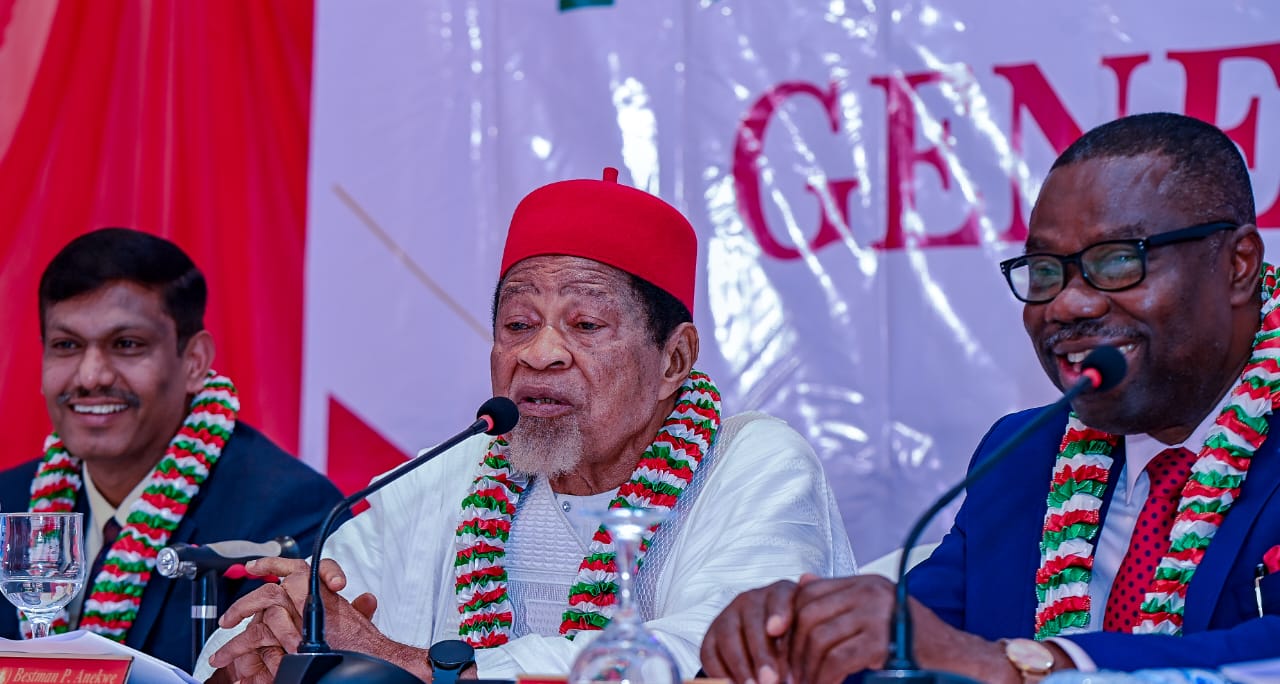
Speaking at the company’s 22nd Annual General Meeting held at the Abuja Continental Hotel, the Managing Director, Suresh Kumar, said the year was marked by full deregulation of the downstream sector, volatile fuel pricing, supply chain disruptions following subsidy removal, and increased market competition with the commencement of operations by the Dangote Refinery.
“2025 placed enormous pressure on downstream operators. Our responsibility was to ensure product availability, affordability where possible, and continuity of service for the millions of Nigerians who depend on us daily,” Kumar said.
He disclosed that NIPCO responded by expanding its retail footprint, increasing its White Oil network to more than 400 branded filling stations across the country to reduce fuel queues and improve nationwide product availability.
According to him, the company also accelerated investments in Liquefied Petroleum Gas (LPG) and Compressed Natural Gas (CNG) infrastructure to provide consumers with more affordable energy alternatives as petrol prices climbed.
Kumar said NIPCO’s LPG business, supported by 19,500 metric tonnes of storage capacity and 10 loading bays, now distributes more than 4,000 metric tonnes of LPG daily to households and businesses across Nigeria.
In the gas mobility segment, he revealed that NIPCO Gas Limited closed 2025 with 25 Auto CNG stations and more than 8,000 converted vehicles. He added that another 20 stations are under construction, while 35 additional stations are being developed in partnership with NNPC Gas Marketing Limited to serve over 200,000 vehicles daily.
He further noted that the company’s 25-year exclusive Gas Distribution Licences covering Ibadan, Benin and the Lekki Free Trade Zone remain strategic assets for sustaining industrial and domestic gas supply.
On employment, Kumar said NIPCO weathered the difficult operating environment without retrenching staff, choosing instead to diversify into new business areas.
These include investments in the hospitality sector through 22 Hospitality Limited’s acquisition of Capital Hotels Plc and the planned establishment of a Hospitality Academy in collaboration with the Federal Government to build workforce capacity.
“Despite the headwinds, we kept our people employed and created new opportunities,” he said.
“Our investments in gas and retail were not just about business growth. They were about ensuring Nigerians had reliable energy options while providing job security for our employees during a very challenging period.”
Looking ahead, Kumar said the experiences of 2025 have shaped NIPCO’s strategy for 2026, with a renewed focus on technology, operational safety and customer experience as the company seeks to build a more resilient and future-ready energy business for Nigerians.
