

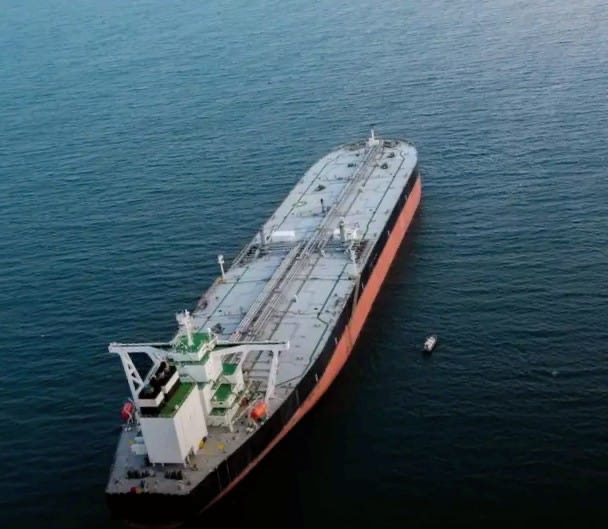
Escalating tensions involving the United States, Israel, and Iran are once again placing global energy markets on edge. As hostilities intensify and maritime activity declines around the strategic Strait of Hormuz, the ripple effects are being felt across the global oil and gas industry.
For an oil-dependent economy such as Nigeria, the conflict presents a complex mix of opportunities and risks—particularly for government revenues, domestic fuel prices, and fiscal planning for the 2026 budget.
The Strait of Hormuz is widely regarded as the most critical chokepoint in global energy trade. Approximately 20 percent of the world’s crude oil supply transits the narrow waterway daily, connecting oil-rich Gulf producers to global markets. Countries such as Saudi Arabia, United Arab Emirates, Kuwait, Iraq and Qatar depend heavily on the route to export crude oil and liquefied natural gas (LNG).
It was gathered that reports of major disruptions to shipping activity in the area have heightened fears of supply shortages. In response, the White House has reportedly directed the United States Navy to escort commercial tankers through the waterway in an effort to maintain the “free flow of energy” to global markets. While the move aims to stabilize supply chains, it also underscores the seriousness of the geopolitical tensions currently unfolding in the region.
Rising Oil Prices and Nigeria’s Revenue Outlook
Historically, geopolitical instability in the Middle East tends to push crude oil prices upward as markets react to supply risks. If the current tensions escalate or persist, global crude benchmarks could experience sustained upward pressure.
For Nigeria, higher oil prices could translate into improved government revenues. Crude oil exports remain the backbone of Nigeria’s foreign exchange earnings and contribute significantly to government income. When international oil prices rise, the country typically benefits from increased export receipts and improved fiscal inflows.
Higher oil prices could therefore support revenue projections tied to the federal government’s 2026 fiscal framework.
Increased earnings from crude exports could help strengthen external reserves, stabilize the naira, and provide additional funding for infrastructure development and social programs.
However, this potential upside depends on Nigeria’s ability to maintain stable production levels. Production challenges—ranging from pipeline vandalism and oil theft to operational disruptions—have historically prevented the country from fully capitalizing on high global oil prices.
