

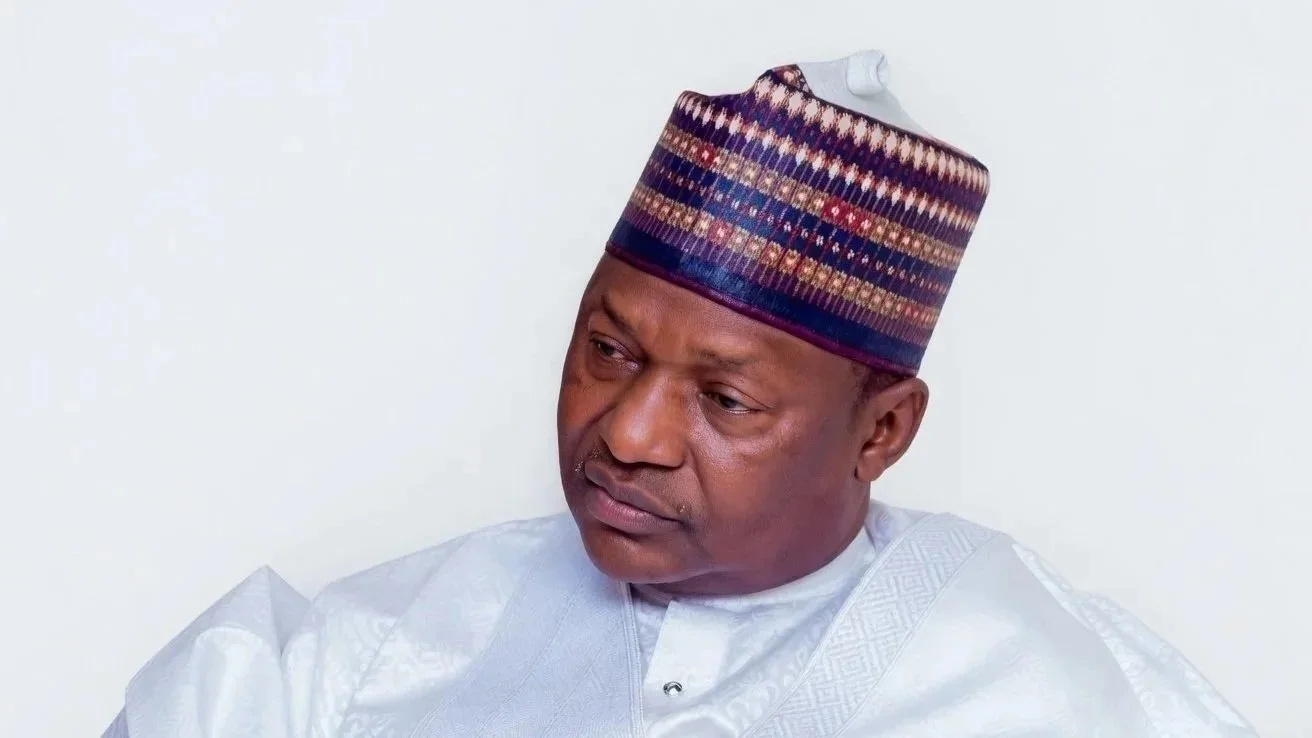
Abuja court orders final forfeiture of 48 properties linked to Malami
Abuja, July 2026 – A Federal High Court in Abuja has ordered the final forfeiture of 48 properties linked to former Attorney-General of the Federation and Minister of Justice, Abuja, Abubakar Malami, in a ruling that marks a significant development in the Economic and Financial Crime Commission’s (EFFC) asset recovery efforts.
The judgment grants the anti-graft agency’s application to permanently transfer the affected assets to the Federal Government after finding that the properties were liable to forfeiture under applicable laws.
The decision follows months of legal proceedings during which the EFCC sought the final forfeiture of properties it alleged were proceeds of unlawful activities.
The court had earlier issued interim forfeiture orders before hearing arguments from both parties on whether the assets should be permanently forfeited.
Court Upholds EFCC’s Application
Justice Joyce Abdulmalik of the Federal High Court delivered the ruling after considering submissions from the EFCC and legal representatives of the respondents.
The EFCC argued that the properties were reasonably suspected to have been acquired through unlawful means and urged the court to vest ownership permanently in the Federal Government.
The commission maintained that it had presented sufficient evidence to justify the forfeiture under Nigeria’s non-conviction-based asset recovery framework.
According to reports, while the original forfeiture proceedings involved 57 properties, the court granted final forfeiture in respect of 48 properties, with the ruling determining the status of those assets.
Asset Recovery Remains Central to Anti-Corruption Drive
The judgment represents one of the EFCC’s most prominent asset recovery cases involving high-value real estate.
Asset forfeiture forms a key part of Nigeria’s anti-corruption strategy, enabling authorities to recover properties and other assets suspected to have been acquired through unlawful activities.
Under existing laws, courts may order forfeiture where legal requirements are satisfied, even in proceedings that are separate from criminal trials.
The EFCC has consistently stated that recovering illicit assets helps strengthen public accountability and ensures that proceeds of unlawful activities do not remain in private hands.
Implications for the Property Market
Although the case is primarily a legal and anti-corruption matter, it also highlights the growing importance of transparency in Nigeria’s real estate sector.
Large-scale forfeiture cases involving residential and commercial properties reinforce the need for proper documentation, beneficial ownership disclosure and compliance with anti-money laundering regulations.
These measures are increasingly important for protecting investor confidence and maintaining the integrity of the property market.
Industry stakeholders note that stronger enforcement of asset recovery laws can improve governance by discouraging the use of real estate for concealing illicit wealth and encouraging greater transparency in property transactions.
Due Process and Judicial Oversight
The ruling underscores the role of the judiciary in determining the outcome of asset recovery proceedings. Throughout the case, the court considered evidence presented by both the EFCC and the respondents before reaching its decision.
The judgment also demonstrates the legal process involved in non-conviction-based forfeiture proceedings, where courts assess whether assets are reasonably connected to unlawful activities before issuing final forfeiture orders.
Outlook
The final forfeiture of 48 properties linked to the former Attorney-General represents a significant milestone in Nigeria’s ongoing asset recovery programme. Beyond its legal significance, the case reinforces the importance of transparency, regulatory compliance and judicial oversight in the management of high-value real estate assets.
For the housing and property sector, the judgment highlights the increasing scrutiny of real estate transactions within Nigeria’s anti-corruption framework and underscores the importance of robust governance standards in safeguarding the integrity of the market. (Courtesy NHM)
