

Food, fuel push inflation to 15.93%
*** Inflation rose to 15.93% in May 2026, up from 15.69% in April.
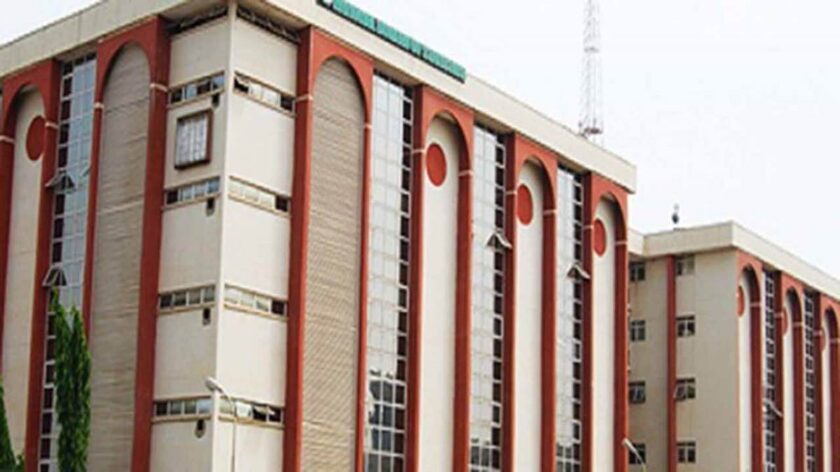
The Nigerian Bureau of Statistics blames higher food prices and transport costs, worsened by global supply issues, as households face tighter expenditure.
The current inflation figure represents a 0.24 percentage point increase from April, reversing earlier expectations of easing price pressures.
According to a statement, food inflation rose sharply to 16.96 per cent in May, compared with 16.06 per cent in April, underscoring the growing burden on consumers as prices of staple foods continued to climb across major markets.
Besides, core inflation accelerated to 16.82 per cent, from 15.86 per cent in the preceding month. The increase in core inflation suggests that price pressures are becoming more deeply rooted in the broader economy beyond food alone.
A breakdown of the inflation data revealed that urban areas bore the brunt of the surge, with urban inflation climbing to 16.07 per cent, up from 15.40 per cent.
Rural inflation eased slightly to 15.60 per cent, from 16.36 per cent, indicating that inflationary pressures were more concentrated in cities where transport and distribution costs remain higher.
Observers tied the recent inflation spike partly to disruptions in global energy markets following tensions around the U.S.–Iran conflict, which pushed up shipping and fuel-related costs.
Higher diesel and transportation expenses have continued to feed directly into food supply chains, making commodities more expensive for end consumers.
Yobe State recorded the highest inflation rate at 24.94 per cent, reflecting severe price pressures on residents, while Niger State posted the lowest inflation rate at 3.07 per cent, indicating relatively stable consumer prices.
Other states in the northern region also posted elevated inflation figures, reinforcing concerns over regional supply chain challenges and insecurity-related disruptions affecting agricultural production and distribution.
Analysts said the May inflation rise could complicate monetary policy decisions for the Central Bank of Nigeria, which has maintained a tight stance to curb inflation and stabilize the naira.
Despite the rise, there are cautious signs that inflation may moderate in the coming months if global tensions ease.
Observers noted that a potential easing in geopolitical tensions, particularly improved stability around the Strait of Hormuz, could lower crude oil and shipping costs, offering relief to import-dependent economies such as Nigeria.
