

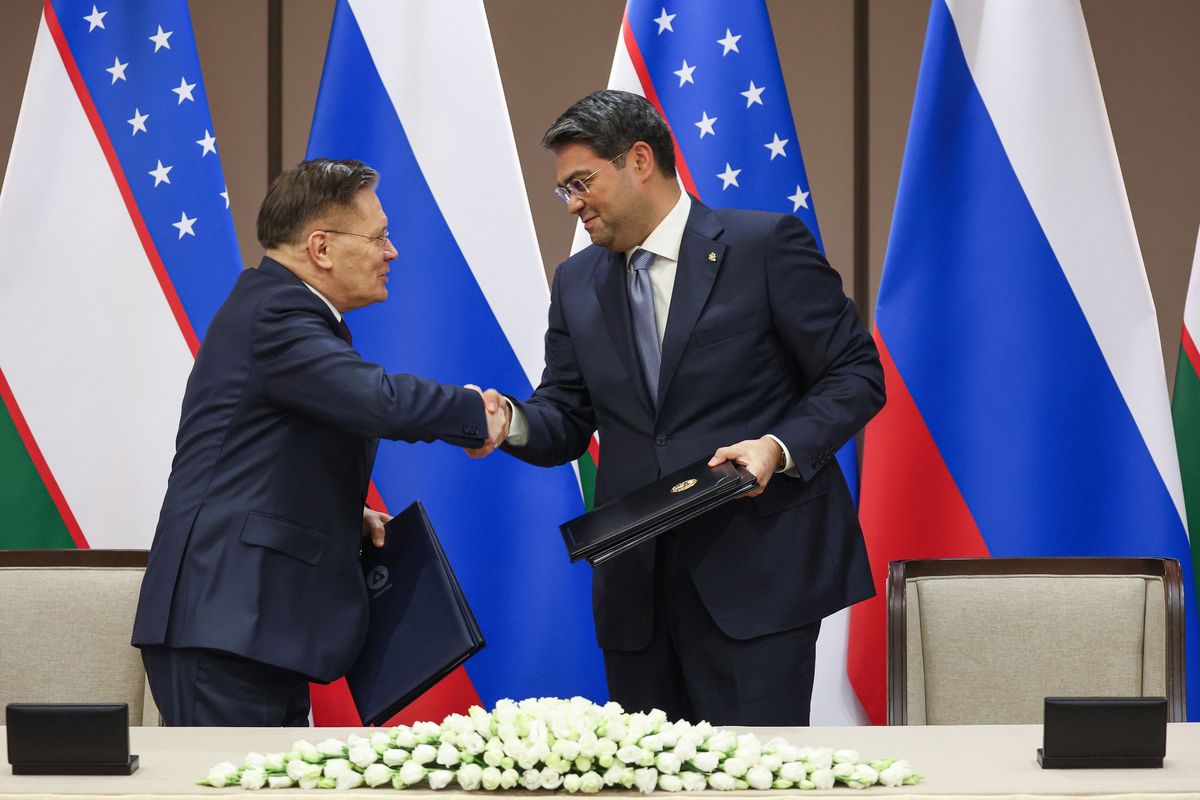
Powering the Future: Uzbekistan’s Hybrid Nuclear Plant Set to Supply 14% of National Electricity
A bold new chapter in Central Asia’s energy future is unfolding as Rosatom unveils a pioneering integrated nuclear power project in Uzbekistan—one that could redefine how nations approach clean, reliable energy generation.
At the 6th International Industrial Exhibition “Innoprom. Central Asia,” Rosatom Director General Alexey Likhachev presented a next-generation Nuclear Power Plant (NPP) model to Uzbek President Shavkat Mirziyoyev, positioning the country at the forefront of nuclear innovation.
A First-of-Its-Kind Energy Model
The proposed facility breaks new ground by combining two types of nuclear reactors on a single site: a Small Modular Reactor (SMR) system featuring twin RITM-200N units alongside a conventional large-scale nuclear plant. Once operational, the hybrid station is projected to generate up to 14% of Uzbekistan’s electricity, significantly strengthening national energy security while reducing reliance on fossil fuels.
Jobs, Science, and a New “Atomgrad”
Beyond power generation, the project is designed as a catalyst for economic and scientific growth. During construction, the plant is expected to employ around 13,000 workers, with 2,000 permanent jobs created for ongoing operations.
At the heart of the initiative lies an ambitious concept: the creation of an “atomgrad”—a purpose-built residential and research hub adjacent to the plant.
This futuristic cluster will bring together scientists, engineers, and innovators working across fields such as nuclear medicine, materials science, and advanced sterilisation technologies.
Likhachev described the vision as transformative: a self-sustaining ecosystem where cutting-edge research meets real-world application, fostering a new generation of expertise while accelerating Uzbekistan’s technological independence.
A Blueprint for Emerging Nuclear Nations
The implications extend far beyond Central Asia. For countries like Nigeria—which has long explored nuclear energy as part of its diversification strategy—the Uzbek model offers a compelling blueprint.
Nigeria’s ongoing collaboration with Rosatom under intergovernmental agreements signals growing interest in nuclear solutions.
The integrated NPP approach, combining scalable reactor technology with local capacity building and research infrastructure, could provide a practical pathway for nations seeking sustainable energy transitions.
A Glimpse Into the Energy Future
As global demand for clean, stable power intensifies, Uzbekistan’s integrated nuclear project stands out not just for its technical ambition, but for its holistic vision—one that merges energy production with scientific advancement and community development.
If successful, it may well become a model replicated far beyond its borders, shaping how the next generation of nuclear power plants are built—and how nations power their futures.
