

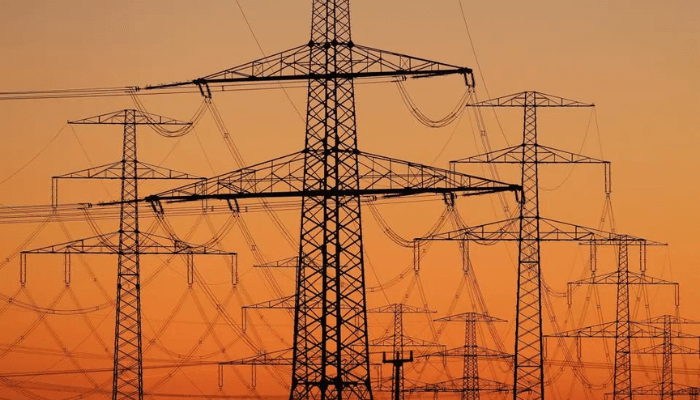
Expert urges deeper power privatisation, warns on grid sale
Lagos, April 2026 (TBL Africa) An energy expert, Dr Olukayode Akinrolabu, has urged deeper privatisation of electricity generation and distribution, cautioning against outright sale of Nigeria’s transmission network.
He said sustained reforms in the sector remained essential to improving supply reliability, boosting investor confidence, and supporting long-term economic growth.
Akinrolabu described the Transmission Company of Nigeria as too critical to be fully handed to private control.
He stressed that transmission forms the backbone of the power system, linking generation to distribution and ensuring stability across the national grid.
Akinrolabu, of Lagos State University’s Science and Technology Education Research Group, said this in an interview on Friday in Lagos.
Speaking on the electricity market’s future, he argued reforms in GenCos and DisCos should be intensified to unlock efficiency and attract investment.
He noted that many generation and distribution firms still struggle with liquidity challenges, infrastructure gaps, and operational inefficiencies limiting optimal performance.
He said the transmission segment, managed by TCN, required a more measured and strategic approach.
According to him, transmission remains the weakest link, with the grid unable to evacuate more than 5,000 megawatts despite over 13,000 megawatts generation capacity.
He explained that this imbalance reflected longstanding infrastructure deficits and inadequate expansion of transmission lines and substations across the country.
This gap, he noted, resulted in stranded power and persistent supply shortfalls nationwide.
“Government ownership of transmission has led to chronic underinvestment, bureaucratic delays, and slow project execution,” he said.
He added that limited funding and procurement bottlenecks often delay critical upgrades and maintenance works within the transmission network.
He said private sector participation could accelerate grid modernisation, reduce technical losses, and improve system reliability.
However, he warned full privatisation of transmission poses significant risks.
He explained transmission was a natural monopoly, and without strong regulation, a privately controlled grid could exploit consumers and distort the market.
He warned that unchecked private control could result in excessive tariffs, discriminatory access, and weakened competition within the electricity market.
He also raised national security concerns, stressing the electricity grid was critical infrastructure that should not be entirely ceded to private or foreign interests.
“Most advanced economies retain strong regulatory control or ownership of transmission assets because of their strategic importance,” he noted.
Akinrolabu observed Nigeria’s regulator may lack the institutional strength to oversee a fully privatised transmission monopoly effectively.
He said regulatory capacity gaps could undermine enforcement, monitoring, and consumer protection in a fully privatised transmission environment.
As a way forward, he advocated a middle-ground approach, concessioning rather than outright sale of transmission assets.
“Under this model, government retains ownership while private operators manage operations and invest in infrastructure upgrades,” he said.
He explained that concession arrangements can balance efficiency gains with public oversight, ensuring accountability while attracting private capital.
He also recommended unbundling TCN into a Transmission Service Provider and an Independent System Operator.
This, he said, would enhance efficiency, transparency, and accountability within the system.
He noted that separating infrastructure management from system operations would reduce conflicts of interest and improve coordination across the power market.
In addition, he highlighted provisions in the Electricity Act allowing private investors to build new transmission lines.
He described this as a critical step toward expanding grid capacity and attracting fresh capital into the sector.
He said encouraging independent transmission projects would complement government efforts and accelerate nationwide electrification.
The expert said: “Full privatisation of transmission at this stage is risky
“A structured concession model, combined with an independent system operator, offers a more sustainable path for power sector reform.”
His position reflects growing consensus that privatisation remains vital, but must be tailored to each segment’s unique realities.
Policy consistency, regulatory clarity, and stakeholder collaboration would be crucial to achieving lasting reforms in Nigeria’s electricity sector.
