

Nigeria still relies on fuel imports despite progress in domestic refining, Minister admits
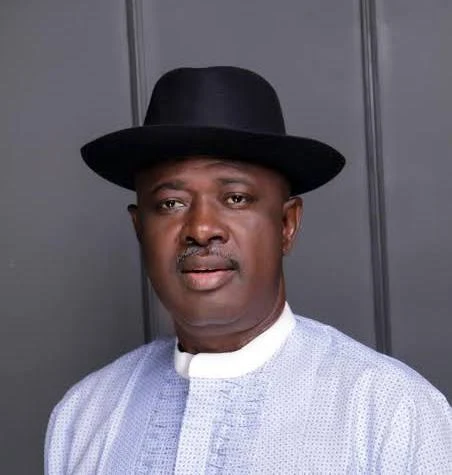
Nigeria’s longstanding claims of nearing energy self-sufficiency have been questioned after the Minister of State for Petroleum Resources, Heineken Lokpobiri, confirmed that the country still depends on imported petroleum products.
Speaking at the CERAWeek by S&P Global Conference in Houston, Texas, Lokpobiri said domestic refining capacity has improved but remains insufficient to meet national demand.
“We are not yet at a point where local production alone can satisfy total consumption,” he stated, highlighting the continued need for imports to ensure supply stability.
Nigeria consumes roughly 50 million litres of fuel daily, yet domestic refineries produce less than this, leaving a persistent gap filled by imports. Data from the Nigerian Midstream and Downstream Petroleum Regulatory Authority (NMDPRA) corroborates the minister’s assessment, showing local refining volumes rising but still falling short of total national demand.
Lokpobiri said recent reforms in the downstream sector are transforming the market.
By removing fuel subsidies, Nigeria has reduced fiscal pressure, curbed smuggling, and promoted a more transparent, competitive landscape that is attracting new investment into refining infrastructure.
The minister noted ongoing efforts to rehabilitate existing refineries and support new projects, emphasising that expanding domestic capacity is key to eventually supplying refined petroleum products beyond Nigeria to the wider West African region.
Highlighting progress, Lokpobiri pointed to the Dangote Refinery, which earlier this year reported the capacity to supply 75 million litres of petrol and 25 million litres of diesel daily—well above national consumption—alongside 20 million litres of aviation fuel, far exceeding domestic demand.
Such output, he said, offers a strategic buffer, reduces reliance on imports, and strengthens market stability.
While Nigeria is steadily advancing toward energy self-sufficiency, Lokpobiri cautioned that the transition will take time, requiring consistent investment and policy support.
