

Eye expert urges journalists to prioritise eye care, avoid self-medication
Lagos, Oct. 2026 (NAN) An optometrist, Dr Ezinwanne Osuji, has urged journalists to prioritise eye care and avoid self-medication to prevent vision problems and long-term damage.
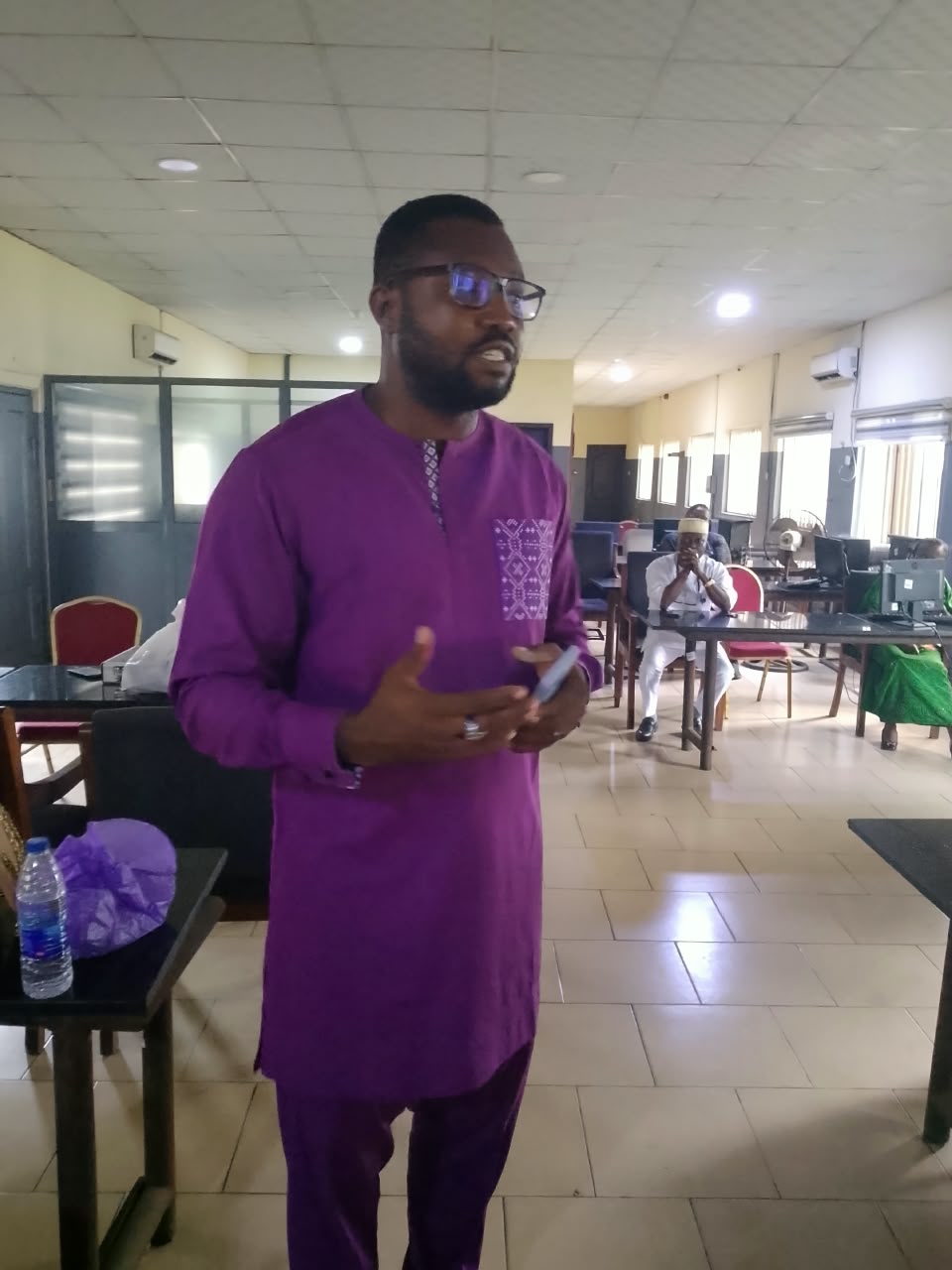
He made this known during a free eye screening and glasses distribution organised by Nigerian Union of Journalists (NUJ), News Agency of Nigeria (NAN) Lagos Chapel, sponsored by Lions Club District 404B4, on Wednesday.
The exercise which took place at NAN Lagos office was in continuation of NAN 2026 Media Week’s Medical Outreach
Osuji , Medical Director, Digital Bridge Eye Clinic, Oshodi, highlighted common myths and emerging eye conditions, warning journalists, who rely heavily on laptops and digital technology, about the risks of digital eye strain.
He strongly cautioned against treating chloramphenicol as a universal eye drop, noting that self-medication without proper diagnosis of bacterial or viral infections could cause severe further damage.
Osuji identified uncorrected presbyopia and digital eye strain as major eye problems affecting journalists, mainly caused by constant reliance on phones, computers and other digital devices.
“Journalists should adopt the 20-20-20 rule. Every 20 minutes, individuals should take 20 seconds to look at an object located 20 feet away,” he said.
According to Osuji, the 20-20-20 rule relieves eye muscles, prevents eye strain and reduces headaches.
He said free glasses were dispensed in partnership with Lions Club International, while further medical testing was recommended and participants educated on proper eye care to prevent long-term damage.
Mrs Ifeyinwa Omowole, Head of NAN Lagos Operations, said good eyesight was essential for journalism, stressing the need to protect journalists’ vision for career longevity and quality of life.
“Our profession is hinged basically on our sight. Our sight is very important and so for me, this initiative is not just laudable, it is a necessity.”
She said protecting staff eyesight would safeguard their careers and post-retirement well-being.
“It is not good that by the time you retire, for those of us who are exiting, you can no longer see.
“This is because we are still going to be relevant even in the profession, so we still need our sight,” Omowole said.
