

Airline operators, customs agents seek harmonised tax regime

Airline operators and customs agents have called for a harmonised and equitable tax system to address multiple taxation and ease the financial burden on businesses in Nigeria.
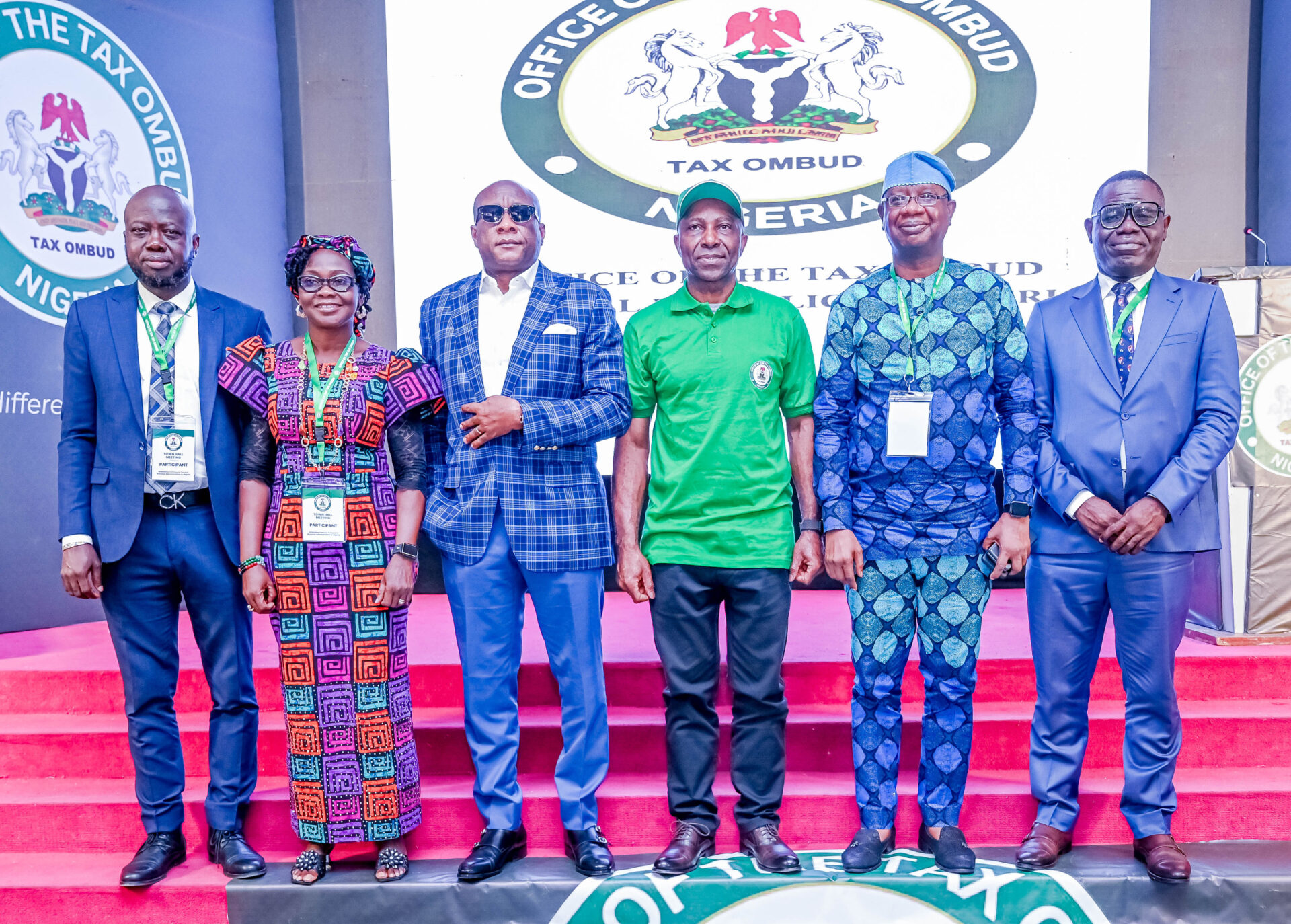
They made the call at a town hall meeting organised by the Office of the Tax Ombud in Lagos on Friday.
Dr Allen Onyema, Vice-President of the Airline Operators of Nigeria (AON), said harmonising tax regimes was necessary to promote fair competition and ensure the sustainability of private and charter airline operators.
Onyema, who commended the establishment of the Office of the Tax Ombud, said it provided an impartial platform for taxpayers to seek redress and resolve grievances.
He said the association had repeatedly drawn the attention of government and relevant institutions to challenges confronting airline operators.
Similarly, Prince Olusegun Oduntan, National Vice-President of the Association of Nigerian Licensed Customs Agents (ANLCA), called for more equitable tax assessment practices that reflected the realities of businesses.
Oduntan expressed concern over personal taxes, multiple local government levies and the assessment of taxes based on total turnover rather than actual profit margins.
He said the association would submit a position paper to the Tax Ombud seeking redress and appropriate tax assessment methods for customs agents.
Also, Mr Olufemi Adewole, representing the Depot and Petroleum Products Marketers Association of Nigeria (DAPPMAN), identified delays in value-added tax (VAT) refunds and high working-capital costs as major challenges confronting petroleum marketers.
Adewole acknowledged government’s revenue-generation needs but cautioned that taxation should not worsen the cost of living.
He called for regular reviews of fiscal policies affecting petroleum marketers to assess their implications for downstream operations.
Earlier, the Tax Ombud and Chief Executive of the Office, Dr John Nwabueze, said the institution was established to promote fairness, transparency and accountability in Nigeria’s tax administration.
He said the Office was mandated to address operational, administrative and procedural complaints relating to taxes, levies, regulatory fees and customs duties.
Nwabueze explained that its services were free and that it provided an impartial platform for resolving disputes through mediation rather than adversarial proceedings.
He clarified that the Office did not determine substantive tax liabilities but addressed gaps in complaint management and encouraged voluntary compliance by building trust between taxpayers and revenue authorities.
The Tax Ombud urged businesses, professional associations and other stakeholders to use the platform to report grievances and recommend improvements to tax administration.
Engr. Olusola Obadimu, Director-General of the Nigerian Association of Chambers of Commerce, Industry, Mines and Agriculture (NACCIMA), identified inadequate infrastructure, rising energy costs and increasing tax burdens as major constraints on businesses.
He called for policies that would support businesses and entire economic ecosystems, pledging the association’s collaboration with the Tax Ombud to promote a fair business environment.
Representatives of the Institute of Chartered Accountants of Nigeria (ICAN), Association of National Accountants of Nigeria (ANAN) and Chartered Institute of Taxation of Nigeria (CITN) also supported the establishment of the Office.
They stressed the importance of transparency, equity, professional standards, taxpayer rights and stakeholder engagement in strengthening tax compliance and revenue generation.
The Nigerian Export Promotion Council (NEPC) also urged exporters to maintain comprehensive records and use the Office to address complaints relating to unfair treatment and complex tax-compliance requirements.
The meeting was attended by representatives of business associations, professional bodies, labour unions, manufacturers, petroleum marketers and civil society organisations.
