

Banking barriers loosen as Nigeria moves to free struggling non-profits

By Yunus Yusuf
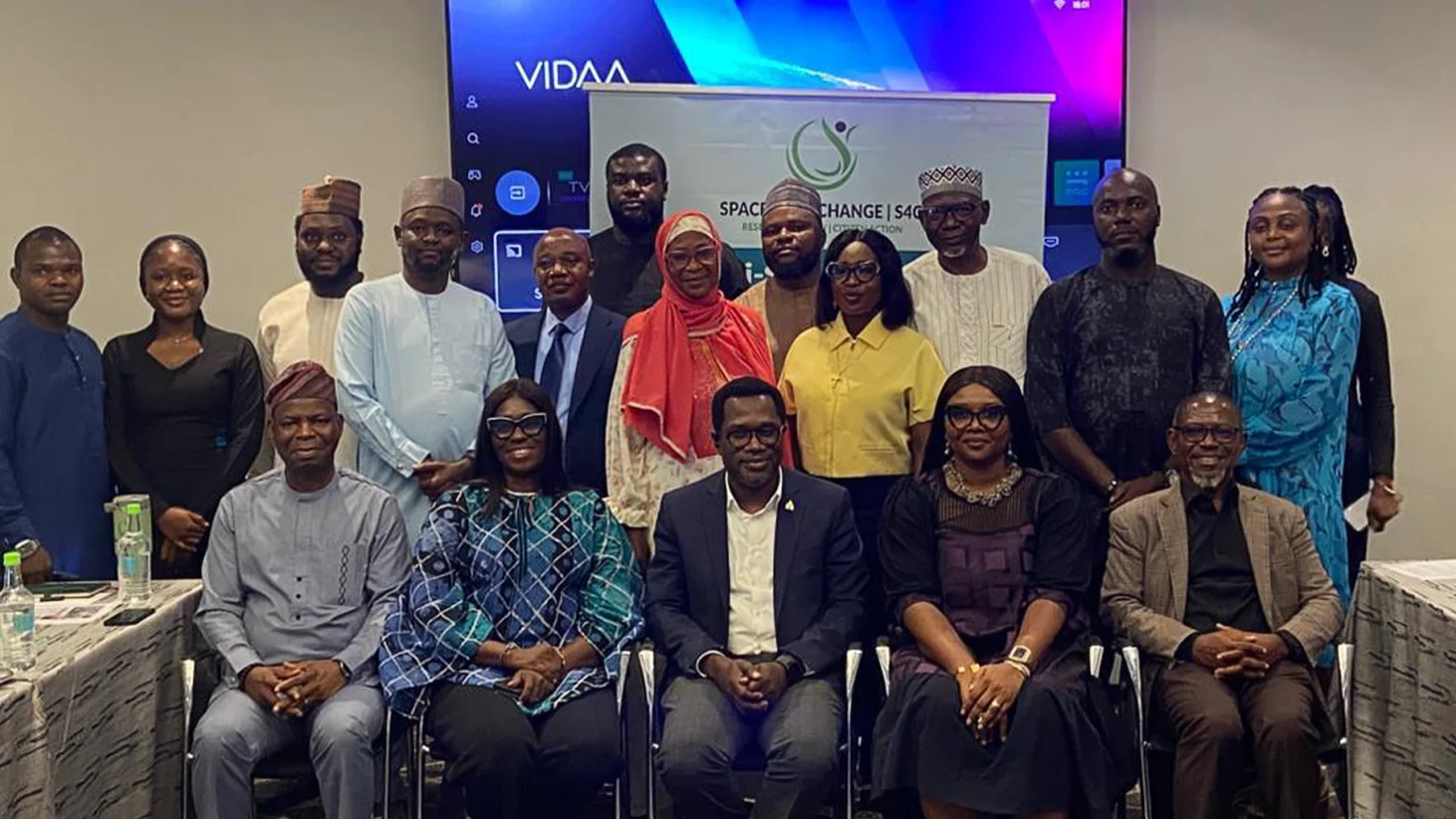
In a significant shift for Nigeria’s civic and humanitarian landscape, regulators, financial institutions and civil society groups have agreed on a unified framework to ease long-standing banking restrictions that have hampered the operations of non-profit organisations (NPOs).
The breakthrough, reached in Lagos at the fourth general meeting of the Multi-Stakeholder Working Group on Charities, signals a coordinated attempt to dismantle compliance bottlenecks that have left many charities locked out of the financial system.
The meeting convened key institutions, including the Economic and Financial Crimes Commission, Special Control Unit Against Money Laundering, Nigerian Financial Intelligence Unit, Central Bank of Nigeria and the Corporate Affairs Commission, alongside commercial banks and non-profit representatives.
At the heart of the reform effort is a plan to standardise how banks onboard non-profits—streamlining documentation, reducing duplication and easing compliance burdens that have disproportionately affected smaller organisations.
For years, stakeholders said, anti-money laundering safeguards designed to protect the financial system have been applied too broadly, casting legitimate charities as high-risk entities and subjecting them to stringent due diligence requirements regardless of their size or mission.
That approach, participants noted, runs counter to global standards set by the Financial Action Task Force, which discourages blanket risk classifications and instead promotes a targeted, risk-based approach.
The consequences have been severe. Many organisations have struggled to open or operate bank accounts, receive donor funds or execute critical programmes.
According to Victoria Ibezim-Ohaeri, Executive Director of Spaces for Change, the situation has pushed some groups to the margins of the formal financial system.
“Banks are making it difficult for NPOs to open bank accounts, to operate, to move money,” she said. “Even when they receive donations, they cannot access those funds to implement their projects.”
Despite their commitment to transparency, she added, many organisations are being squeezed out by the very controls meant to ensure accountability.
“They want to use regulated channels so that their transactions can be monitored. But some of these restrictions are pushing them out.”
A central sticking point remains the continued classification of non-profits as high-risk customers by many banks—a practice stakeholders say ignores the diversity of the sector and imposes unnecessary compliance hurdles.
Pattison Boleigha, a consultant to the working group, attributed the problem to gaps in understanding evolving global standards and called for stronger alignment between regulators and financial institutions.
“Financial institutions should not just treat all non-profit organisations as high risk,” he said, noting that such assumptions undermine both efficiency and impact.
Compounding the issue is regulatory uncertainty following amendments to Nigeria’s anti-money laundering and counter-terrorism laws in 2022, which removed NPOs from the list of mandatory reporting entities.
While regulators maintain that the changes are clear, banks have been reluctant to adjust compliance procedures without explicit directives from the apex bank, citing fears of sanctions.
“The banks say they know the law has changed, but the Central Bank has not told them to enforce it,” Ibezim-Ohaeri explained. “We are the ones in front of their argument.”
Yet, after four years of sustained dialogue, there are signs of progress. Stakeholders point to growing adoption of risk-based compliance models, increased training for financial institutions and improved engagement across sectors.
Bawo Egbakumeh of the Compliance Institute Nigeria said the conversations are yielding clarity.
“There’s a lot of clarity now on how NGOs operate and how they should be onboarded within the financial space,” he noted.
Beyond regulatory fixes, stakeholders are also pushing for deeper structural reforms, including a unified registration system to replace the fragmented regime that currently requires multiple approvals from different agencies.
For many in the sector, the stakes extend beyond compliance. As development needs intensify, non-profits are increasingly seen as indispensable partners in delivering social services and reducing poverty.
Confidence Obayuwana of the Nigeria INGO Forum stressed the broader economic case for reform, urging the private sector to view support for non-profits as strategic investment rather than charity.
“The needs continue to increase… the government alone will not be able to meet these needs,” he said.
“When you contribute to reducing poverty, it opens more market space for private sector players.”
As Nigeria seeks to balance financial security with social impact, the emerging consensus offers cautious optimism: that a more nuanced, coordinated approach could finally unlock the banking system for the country’s most vulnerable-serving institutions.
