

Nigeria bets on homegrown expertise in landmark oil, gas pact

In a move that could redefine the trajectory of Nigeria’s energy industry, the Petroleum Technology Association of Nigeria (PETAN) has entered into a strategic partnership with the Akwa Ibom State Government, signaling a renewed push to place indigenous companies at the center of the nation’s oil and gas future.
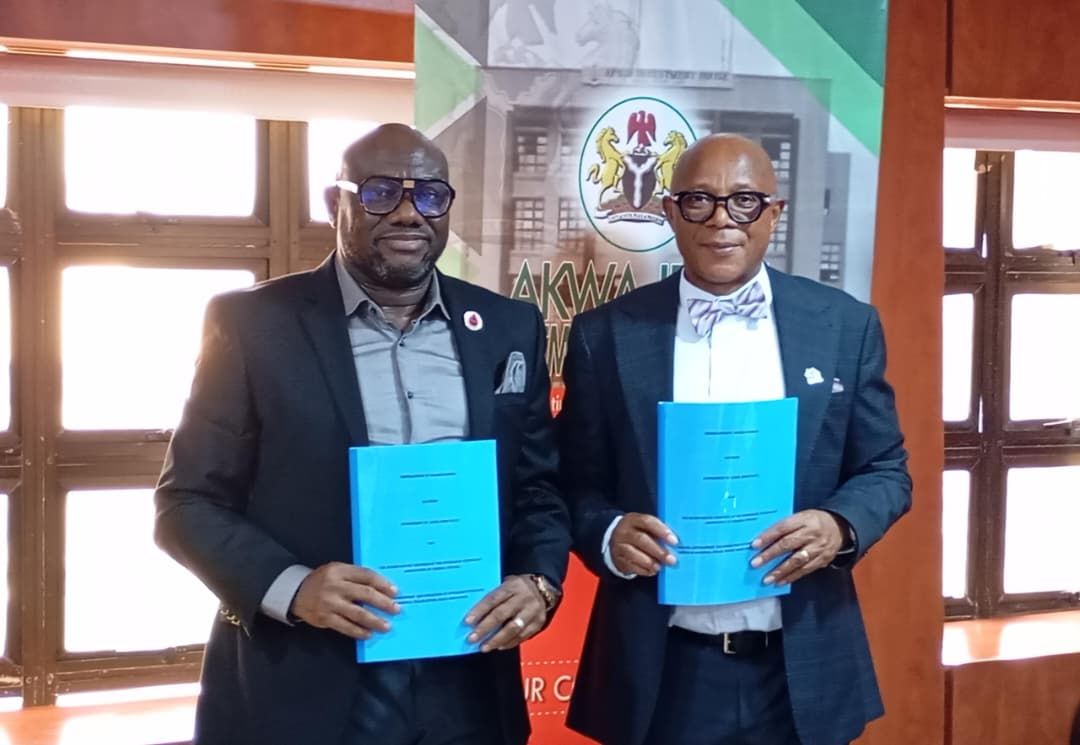
The Memorandum of Understanding (MoU), signed in Uyo, brings together government ambition and private-sector expertise in a bid to unlock dormant value across oil and gas assets in the resource-rich state.
But beyond the formalities, industry observers say the agreement represents something far more consequential: a shift toward self-determined growth in one of Africa’s largest energy markets.

Representing the state was investment chief Imo Abasi Jacob, while PETAN’s delegation included Conference Chairman-Elect Okey Ukaegbu and Executive Secretary Kevin Nwanze.
Together, they framed the deal not simply as a contract, but as a catalyst for transformation.
At its core, the partnership seeks to channel investment into critical infrastructure, deepen technical capabilities, and create jobs—priorities that have long defined Nigeria’s local content agenda.
For PETAN’s network of indigenous service firms, the agreement opens new pathways to participate more directly in projects that have historically been dominated by multinational players.
“This is more than a signing—it is a statement of intent,” a PETAN official said, emphasising the importance of aligning policy with industry expertise.
“When government and local companies move in the same direction, the impact is exponential.”
Akwa Ibom, already a cornerstone of Nigeria’s oil production, stands to gain significantly. With targeted collaboration, analysts say the state could evolve into a hub for innovation in offshore and onshore operations, attracting both capital and cutting-edge technology.
The broader implications extend beyond regional development. As global energy markets grapple with transition pressures and shifting investment patterns, Nigeria faces mounting urgency to maximize its existing resources while building sustainable capacity.
Partnerships like this, experts argue, are essential to achieving that balance.
PETAN’s role is especially pivotal. With member companies employing tens of thousands of Nigerians—many of them highly skilled—the association has become a backbone of local industry participation.
By leveraging its technical depth and industry reach, it aims to ensure that more of the value generated within Nigeria remains within its borders.
For now, the ink on the MoU is fresh, but expectations are already high. If successfully implemented, the collaboration could serve as a blueprint for similar alliances across the country—where government vision and indigenous innovation converge to shape a more resilient, inclusive energy future.
In a sector often defined by external influence, Nigeria is making a deliberate pivot inward—betting that its greatest resource may not just lie beneath the ground, but within its own people.
