

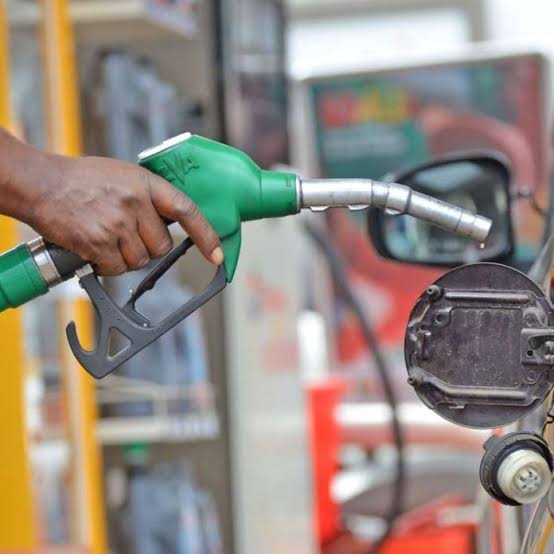
Rising Energy Costs: NECA warns of mounting pressure on businesses, households
The Nigeria Employers’ Consultative Association (NECA) has raised alarm over escalating energy costs, warning that surging global oil prices are translating into severe economic strain for businesses and households across Nigeria.
Director-General of NECA, Adewale-Smatt Oyerinde, reacting to ongoing tensions in the Middle East and their ripple effects on global oil markets, said the trend is driving up domestic fuel prices and intensifying inflationary pressures nationwide.
He described the development as a deepening “oil paradox,” where rising crude prices—typically seen as beneficial for an oil-producing nation—are instead inflating local energy costs and eroding citizens’ purchasing power.
“What we are witnessing is Nigeria’s oil paradox. Rising crude oil prices are pushing up domestic energy costs, squeezing businesses and worsening the cost of living for citizens,” Oyerinde said.
Recent price movements underscore the concern. Petrol has climbed above ₦1,300 per litre in some locations, while diesel prices are nearing ₦1,800 per litre—figures that reflect the sharp upswing in global oil benchmarks.
Oyerinde stressed that energy remains the backbone of Nigeria’s economy, powering production, transportation, and distribution.
As such, any increase in fuel prices triggers immediate and widespread consequences.
“Once fuel prices rise, transport costs increase, food prices climb, and the overall cost of doing business escalates,” he noted.
He warned that key sectors—including manufacturing, agriculture, and logistics—are already grappling with mounting operational pressures.
“For many firms that rely heavily on diesel, current price levels are becoming unsustainable.
“Profit margins are shrinking, forcing businesses to either pass costs to consumers or scale down operations,” he said.
Global oil prices have surged amid geopolitical tensions, with Brent crude rising above $110 per barrel—further compounding cost pressures across energy markets.
However, Oyerinde cautioned that external shocks are only part of the problem. He pointed to long-standing structural weaknesses within Nigeria’s energy value chain, including underinvestment, infrastructure deficits, and supply inefficiencies.
“This situation is not only driven by external factors; it also reflects persistent constraints in our domestic energy system,” he explained.
He warned that without urgent and coordinated intervention, the consequences could be severe—ranging from business closures and job losses to a deepening cost-of-living crisis.
Calling for immediate government action, Oyerinde urged authorities to stabilise the downstream sector, ease supply bottlenecks, and provide targeted support for vulnerable industries.
“The government must act swiftly to stabilise prices, improve supply, and deliver relief to critical sectors,” he said.
Looking ahead, he emphasised the need for far-reaching structural reforms, arguing that Nigeria’s resilience will depend not on oil price swings, but on how effectively the country manages them.
“This is a defining moment to strengthen institutions, improve transparency, and invest in sustainable energy solutions,” he added.
Oyerinde concluded with a cautionary note: while rising oil prices present potential economic gains, poor management could see those benefits wiped out by inflation and widespread hardship.
“If properly managed, this moment could strengthen the economy. If not, the gains from rising oil prices will be completely eroded by inflation and economic hardship,” he warned.
