
NALPGAM urges strict safety compliance, digital monitoring in Nigeria’s LPG industry
Association calls for world-class operating standards, transparent pricing and stronger regulator–marketer collaboration
The Nigerian Association of Liquefied Petroleum Gas Marketers (NALPGAM) has called on operators across Nigeria’s liquefied petroleum gas (LPG) value chain to strengthen safety practices, embrace digital compliance systems and adhere strictly to approved operating procedures to sustain the industry’s growth.
The association said expanding LPG adoption must be matched by improved operational efficiency, effective risk management and strict compliance with safety regulations to protect consumers, workers, investments and public confidence.
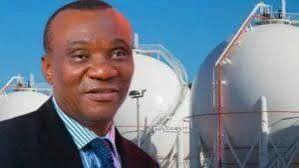
The National President of NALPGAM, Edu Inyang, made the call in his welcome address at the association’s 2026 webinar, themed “Downstream LPG Operational Excellence and Compliance,” held on Thursday, October 15.
Inyang described the webinar as the association’s first virtual programme of its kind, following its physical conferences in the preceding two years.
He said Nigeria’s LPG industry had reached a critical stage of development, stressing that increasing supply and consumption alone would not guarantee sustainable growth without responsible operations and adherence to established safety standards.
“Our objective must be to build an LPG industry where operational excellence and regulatory compliance are not seen as requirements imposed from outside, but values embedded in the daily operations of every player in the industry,” he said.
According to him, every cylinder filled, truck loaded, facility operated and customer served carries a safety responsibility that industry players must take seriously.
He warned that a single unsafe operation could result in loss of lives, destruction of investments and erosion of public confidence, while properly maintained facilities, compliant cylinders and adequately trained personnel would strengthen the credibility of LPG as a reliable energy source.
Compliance as a business advantage
The NALPGAM president urged marketers and plant operators to move beyond viewing regulatory compliance as an obligation, describing it instead as a business advantage capable of reducing accidents, limiting operational downtime, protecting workers and customers, and improving efficiency.
He said operational excellence required management commitment, competent personnel, proper procedures, preventive maintenance, appropriate technology, effective risk management, accurate documentation and a strong safety culture.
“Our aspiration should therefore go beyond, ‘How do we comply?’ We should be asking: How do we build LPG businesses that operate safely, efficiently and consistently at world-class standards?” he said.
Inyang noted that the quality of operations across the downstream LPG market would play a significant role in determining the industry’s long-term competitiveness and ability to attract investment.
Market volatility, pricing uncertainty
Addressing the commercial challenges confronting operators, Inyang identified market volatility and pricing uncertainty as major concerns for LPG marketers.
He attributed fluctuations in the market to factors including international prices, foreign exchange movements, supply availability, logistics expenses, terminal and storage infrastructure, transportation and other operating costs.
He urged businesses to improve inventory management, procurement planning and pricing strategies while communicating more transparently with consumers.
The association, he said, would continue to engage the Federal Government and relevant stakeholders on policies capable of encouraging predictable supply, reducing avoidable costs and creating a sustainable operating environment for legitimate businesses.
Inyang added that efforts to expand LPG access must also take account of consumers’ purchasing power and the need to make the fuel reasonably affordable.
Nigeria has identified LPG as an important option for expanding access to cleaner household energy, but the sector continues to face challenges involving affordability, distribution infrastructure, safety and supply-chain efficiency. Discussions at NALPGAM’s 2025 national conference similarly highlighted the need for stronger collaboration, improved infrastructure and wider adoption of technology.
Digital technology to strengthen compliance
The NALPGAM president also called for greater adoption of digital compliance tools, including Internet of Things (IoT) applications and blockchain technology, to improve transparency, traceability and operational monitoring across the LPG value chain.
He said digital systems could support inventory control, cylinder management, transportation monitoring, inspection records, transaction documentation and safety reporting.
According to him, IoT-enabled systems could facilitate real-time monitoring of critical operational parameters, while digital platforms could provide more reliable compliance records and improve accountability among operators.
However, he cautioned that technology adoption should be driven by practical industry needs rather than treated as an end in itself.
“We should deploy technology that addresses real operational and safety challenges, increases transparency, and makes compliance simpler and more effective,” he said.
Safety culture must be strengthened
Inyang emphasised that health, safety and environment (HSE) practices must remain central to the operations of every LPG business, warning that safety could not be reduced to occasional awareness campaigns.
He called for stricter controls covering the handling and storage of LPG, cylinder filling and transportation, routine equipment inspection, leak detection, emergency response, fire protection and the training of personnel.
He also urged operators to ensure that LPG facilities were properly sited and operated in line with applicable requirements, while promoting consumer education on the safe use of cooking gas.
The NALPGAM president stressed the importance of incident reporting, investigation and preventive measures, urging workers to report unsafe conditions instead of overlooking potential hazards.
He said the need for stronger safety practices had become particularly important as efforts continued to extend LPG access to rural communities under the Federal Government’s Decade of Gas initiative.
“Safety is not the responsibility of the regulator alone. It belongs to all of us,” he said.
NALPGAM seeks stronger regulator–operator partnership
Inyang commended regulatory agencies and government institutions for their efforts to strengthen standards and improve safety in the downstream petroleum sector.
He, however, called for sustained engagement between regulators and industry operators to bridge the gap between regulatory requirements and their practical implementation.
According to him, regulators have a responsibility to establish and enforce standards in the public interest, while operators understand the practical challenges associated with running businesses across the value chain.
He said effective regulation should combine engagement, education, transparency, consistency and enforcement, without compromising safety or the law.
Where compliance challenges arise, he urged regulators and operators to identify their underlying causes and develop sustainable solutions through constructive dialogue.
Warns against unauthorised propane blending
The NALPGAM president also issued a strong warning against unauthorised propane blending and improper transportation of propane, urging members to comply with applicable authorisation and documentation requirements.
He said propane transportation must be supported by duly authorised waybills, adding that any change in the approved destination must be covered by a new waybill reflecting the revised destination.
“Where there is no such new waybill, please stop the trip,” he advised members.
He maintained that the association’s commitment to protecting marketers’ legitimate interests must go hand in hand with professionalism, responsible conduct and strict adherence to applicable regulations.
According to him, the industry cannot demand greater government support and increased consumer confidence while tolerating unsafe practices or operational deficiencies.
Proposes NALPGAM operational excellence standard
To translate the webinar’s discussions into practical outcomes, Inyang proposed the development of a framework he described as the “NALPGAM Standard of Operational Excellence.”
He said the proposed standard should be anchored on four principles: safe and properly maintained facilities, competent and adequately trained operators, compliant operating processes, and effective protection for consumers.
He expressed confidence that a common industry framework would help reduce avoidable incidents, improve professionalism and strengthen the reputation of LPG as a safe and reliable energy source.
The president urged participants to use the webinar to examine gaps between policy and implementation, exchange practical experiences and identify measures that could improve operational performance across the country.
He said discussions on pricing strategies, digital compliance, IoT, blockchain, HSE practices, regulatory updates, propane handling and risk management should produce practical recommendations that operators could implement beyond the event.
Stakeholders urged to support sustainable LPG growth
Inyang reaffirmed NALPGAM’s commitment to working with the government, regulators, producers, importers, terminal operators, transporters, equipment manufacturers, consumer groups and other stakeholders to build a competitive, transparent and sustainable LPG industry.
He said the future of Nigeria’s LPG market would depend not only on product availability but also on operational standards, safety culture, regulatory compliance, workforce competence and public trust.
“The Nigerian LPG industry has a tremendous future. But that future will not be determined by LPG availability alone.
“It will be determined by the quality of our operations, the strength of our safety culture, our commitment to compliance, the professionalism of our operators and the trust we earn from the Nigerian public,” he said.
He urged industry participants to make safety a culture, compliance a benchmark, technology a catalyst and operational excellence a competitive advantage.
NALPGAM, established in 1987, represents LPG marketers and advocates policies aimed at improving safety, investment and access to cooking gas in Nigeria.
The association has also identified infrastructure development, affordability, technological innovation and stronger policy coordination as important priorities for the sector.
Inyang expressed hope that the webinar would strengthen collaboration among stakeholders and provide practical guidance for raising operational and compliance standards across Nigeria’s downstream LPG industry.
